

Lodhi Garden Delhi History, Timings, Entry Fee, Nearest Metro
The architecture is in sync with nature and manmade beauty. Hence after theinauguration in the year 1936 it was also named as Lady Willingdon park. During the British period the gardenwas further beautified. The tomb was further renovated during British period and theyhave added some inscriptions on the tomb.
Tips for visiting Lodhi Garden:

LAYOUT'Bada Gumbad' literally means the building with a big (bada) dome (gumbad). His empire extended from Punjab to Bihar and he built his capital at Agra. The area was developed as the 'Lady Willingdon Park' in 1931, as part of the city of New Delhi. Incised plaster medallion with shahada inscribed – 'There is no God but Allah and Muhammed is his Prophet'

India Gate, Delhi
You can also join a guided tour or a heritage walk to learn more about the park. Lodhi Garden is open from 6 am to 8 pm (October-March) and from 5 am to 8 pm (April-September). If you have your own car or want to rent one, you can drive to Lodhi Garden.
- It was time again to go exploring (or lazing around rather).
- Named after the glazed tiles that once decorated its exterior, this tomb is known for its blend of Hindu and Islamic architectural styles.
- On any given day you will find locals walking the paths, doing yoga, playing soccer, picnicking and enjoying the beauty of the gardens.
- No one knows where it came from, but it is in the Lodhi Gardens in Delhi.
- By following these simple tips, your visit to Lodi Gardens will be a fun and relaxing experience.
The gardens' location near Delhi's diplomatic area adds to their international character, with embassy staff and international visitors contributing to the diverse user base that characterizes the space. The historical connections between different periods represented by these various landmarks help visitors understand Delhi's complex and layered history. Heritage walks and historical tours help visitors understand the significance of the monuments and their place in Delhi's broader historical narrative. Photography competitions and art exhibitions sometimes use the gardens as subjects or venues, celebrating their visual beauty and inspiring creative interpretation. Spring flower shows highlight the gardens' horticultural achievements, while cultural performances take advantage of the beautiful settings. Interpretive materials and guided tours enhance the educational value of visits, helping people understand the complex relationships between history, architecture, and landscape design.
Lodhi Garden, Delhi
The Lodhi Garden is a great place just to have a wander around. This is another incredible octagonal tomb ringed by a covered walkway. This mosque and ancient pavilion are beautifully preserved with amazing islamic carvings and a very photogenic avenue of columns! Its exact purpose is unclear, it shares a form with the Sheesh Gumbad tomb but no tomb has been uncovered.
Health & Lifestyle
The garden then came under the control of the Mughals, who added some more monuments such as Athpula Bridge and Bonsai Park. He also constructed a tomb for himself in the garden, which is now known as Mohammed Shah Tomb. Lodhi Gardens was originally known as Bagh-e-Jud, meaning the garden of Jud. The opening hours of Lodhi garden is 6 am or 5 am sometimes. This Lodhi Garden garden also hosts cultural events like art and music shows sometimes so you could also be a part of these events and experience happiness.
🌞 Is Lodhi Garden Open on Sunday?
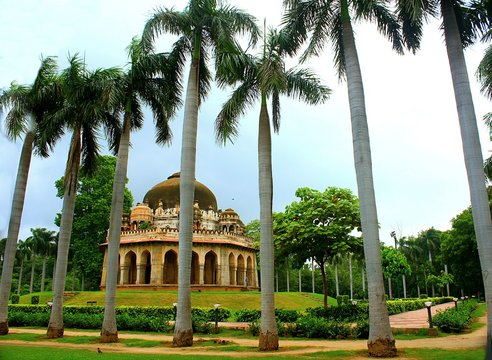
Lodhi Gardens occasionally hosts cultural events and festivals that celebrate its natural beauty and historical significance. The gardens also serve as a case study for successful heritage conservation and urban green space management, providing lessons for similar projects elsewhere. Lodhi Gardens serves as an important resource for researchers studying medieval Indian architecture, urban planning, and landscape design. The gardens' value as urban green space becomes increasingly important as Delhi's population grows and air quality concerns mount. Future preservation efforts must address long-term challenges while ensuring that the monuments remain accessible and meaningful to contemporary visitors.

